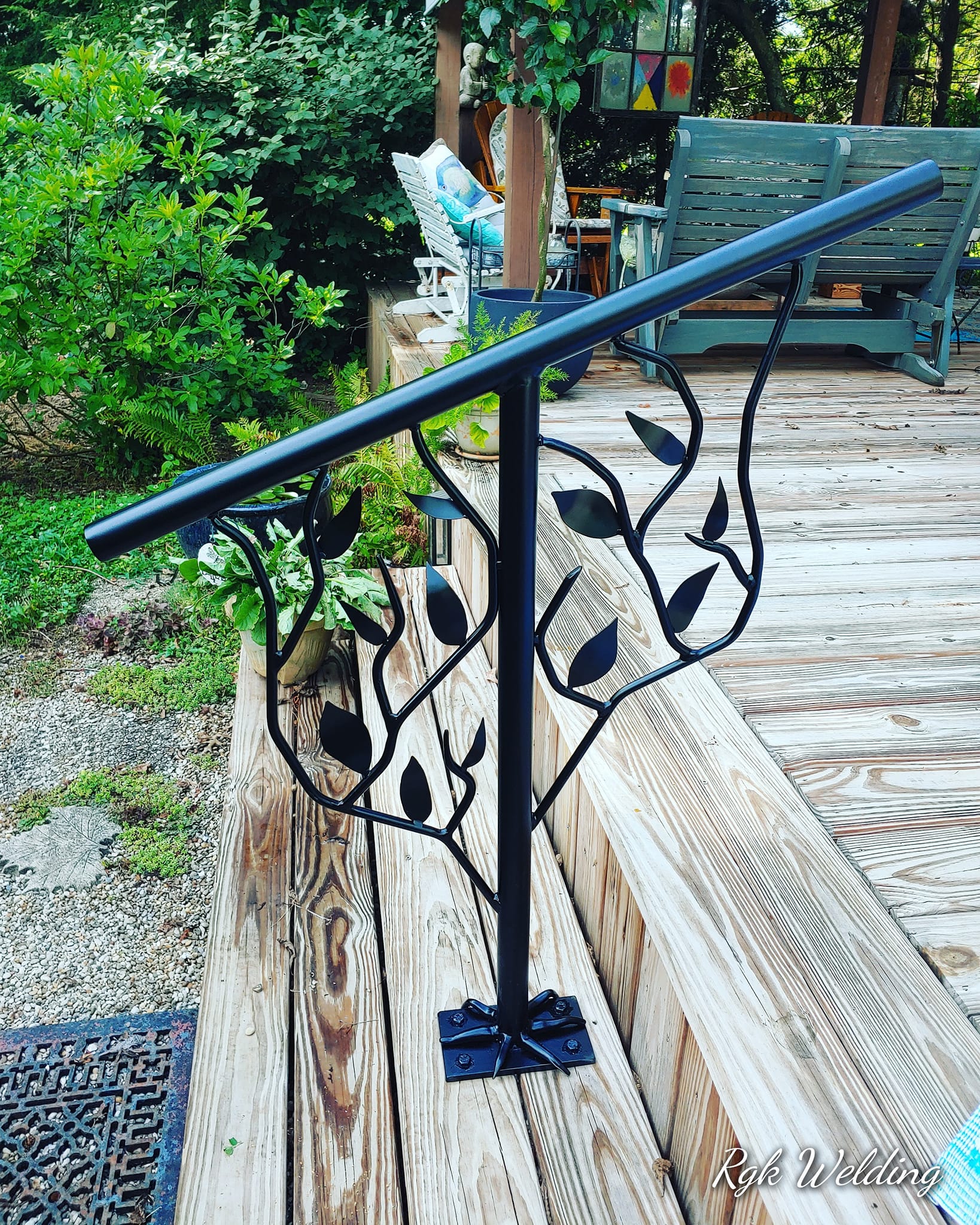
Understanding Different Welding Techniques: A Guide by RGK Welding Services Jan 27, 2026
Welding is essentially the process of joining materials, usually metals or thermoplastics, using high heat to melt the parts together and allowing them to cool and solidify. The complexity and precision involved in welding have led to the development of various techniques, each serving unique purposes across multiple industries.
One of the most common techniques is Shielded Metal Arc Welding (SMAW), often known as stick welding. This method involves using a consumable electrode coated in flux to lay the weld. It’s popular due to its versatility and simplicity, making it ideal for both beginners and for use in outdoor or windy conditions where other methods might struggle. SMAW is particularly favored in construction and maintenance work because of its robustness and cost-effectiveness.
For those seeking greater precision, Gas Tungsten Arc Welding (GTAW), or TIG welding, might be more suitable. TIG welding uses a non-consumable tungsten electrode to produce the weld and requires a separate filler metal. This allows for a more controlled and cleaner weld, making it perfect for thin materials where precision is paramount. Industries such as aerospace and automotive often rely on TIG welding for tasks that demand a high degree of accuracy.
Another widely utilized technique is Gas Metal Arc Welding (GMAW), commonly known as MIG welding. This method uses a continuous wire feed as an electrode and is shielded by inert gas, leading to cleaner welds and less post-weld cleanup. MIG welding’s ease of use and speed make it ideal for industrial-scale projects and mass production in manufacturing sectors.
Submerged Arc Welding (SAW) is a less visible technique but one of considerable importance, especially in heavy industrial applications. By using a continuously fed consumable solid or tubular electrode, along with a mineral flux, SAW provides deep penetration and high deposition rates. It's predominantly used in shipbuilding and for welding large pipes and pressure vessels, where the ability to produce thick, durable welds quickly is a distinct advantage.
At RGK Welding Services, we recognize the critical role these various welding techniques play in delivering high-quality projects. Our team is skilled in multiple welding methods, ensuring that whatever the requirements of your project, we have the expertise to meet your needs.
Selecting the appropriate welding technique depends largely on the specific needs of your project, including the type of material, the environment, and the intended application. For instance, if you need to weld at a high speed for efficient production, MIG welding could be the ideal choice. Alternatively, for intricate projects requiring exposed welds, the cleanliness of TIG welding might be preferable.
In conclusion, understanding the nuances of different welding techniques can significantly impact the success of your project. At RGK Welding Services, we pride ourselves on providing tailored solutions to meet your welding needs. Whether it's a complex industrial build or a simple repair, ensure your project is crafted with precision and expertise. Reach out to us to learn more about how our welding techniques can enhance your next project.
/filters:no_upscale()/filters:format(webp)/media/fc9d1a0f-3344-4df6-8ae5-e66fa73190f7.jpg)
/filters:no_upscale()/filters:format(webp)/media/d3375976-b22a-4933-95e1-7cd99514a64d.jpeg)